
A strong roof plan starts with clear goals and steady coordination. You want clean phases, lower risk, and warranty-ready detail. Start by writing what matters most: storm resilience, funding window, and style options. Match that to your site: shade and wind, street rules, and neighbors or tenants. Then map the calendar around weather and lead times. If supply is tight, confirm alternates. If crews are slammed, book start dates. Done right, your roofing plan keeps change orders rare and anchors warranty terms. Use this approach to evaluate any bid and to steer roofing toward a cleaner finish.
Scope early and stage the project to control risk
Start with a one-page brief that lists roof size, pitch, layers, vents, and must-have details. You can compare bids faster when you standardize requests and milestone targets in plain language. See Read Even more for examples of checklists that keep teams aligned without jargon. That way, each quote hits the same targets. Ask for a rain plan, daily cover rules, and debris control. Request day-end photos at tear-off, underlayment, and flashing so you can verify hidden layers.
Walk the site with the lead foreman and mark garden beds using spray paint. Map dumpster spots to avoid low wires. When tenants remain, assign quiet hours and dust control. Choose a single contact who confirms daily crew count. A clear scope plus a daily rhythm stops surprises.
Choose inputs that match climate, code, and visuals
List your climate stressors: heat, high UV, and match them to shingle rating. Balanced choices keep costs sensible while guarding the weak spots. For a fair comparison, standardize nails and flashing metals. Review sample boards in daylight, then dust them to see texture and scuffing. For guidance on spec sheets and warranty fine print check roofing before signing anything. Upgrades at vents and valleys add years of service.
If you want third-party eyes, bring in a home inspector for a pre-bid review. They can flag rot and tricky valleys that skew bids. Ask if the roofing company can show a recent job with similar height. Stage-by-stage photos prove what lies under old layers. This step guards your budget without adding much time.
Orchestrate workflow and schedule around weather and people
Market calendars matter: hurricane season can stretch inspection slots. Build a week-by-week plan with float around deliveries, lifts, and inspections. For a live example of how crews stagger tear-off, dry-in, and finish coats visit roofing during planning so your team sees the flow. When a thunderstorm pops, a ready tarp kit saves hours. Post a daily board listing tasks, heat breaks, and next-day goals.
On occupied sites, brief staff about noise, closure windows, and ladder zones. Keep the dump trailer off fragile drives with plywood. If an unexpected delay hits, prefab flashing instead of burning time. Coordinate the HOA rep two days ahead. Good sequencing beats heroics in the rain.
(Image: https://ablroofingconstruction.com/wp-content/uploads/2024/09/spartanburg-flat-roof-repair.jpg) Verify quality and manage risk with checkpoints and records

Quality is built in layers: underlayment lap, then drip edge, and finally cap lines. Set hold points where the crew pauses for measures before covering work you will never see again. If your daylight is tight use a photo checklist and a simple sign-off sheet that a roofer can complete in minutes. Short checks beat long callbacks every time. Keep a running log of lot codes and store it with the warranty.
Safety ties directly to quality. Stage cords and lifelines away from walkways. Audit tie-offs when heights demand it. Capture wind readings if your area has permit notes on roof work. For insurance visits, keep a dated album that shows cleanup. Proof on file turns disputes into quick fixes.
(Image: https://cdn.durable.co/getty/21UbeR6TFo7oQUHhpfe15RX3g34Z1LLHl42mUccqzFmVQVYU4wUzO7HJ60ZMXH7o.jpeg) Plan upgrades and lifecycle care to extend service
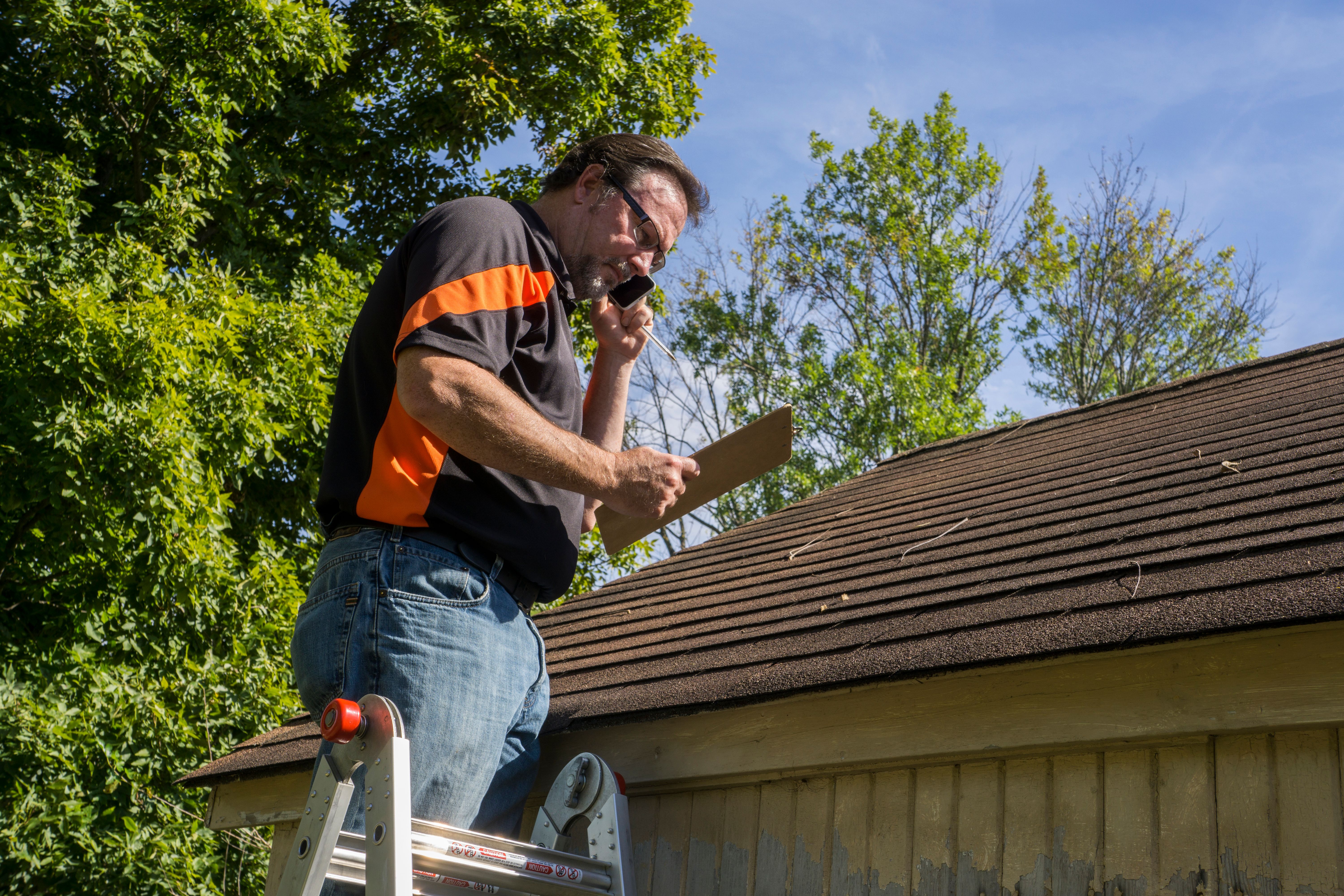
Some choices pay back over time: thicker metal near eaves. Prioritize pieces you cannot touch later without major tear-off. For aging assemblies, time minor fixes now then line up a future roof replacement with seasonal pricing and stable crews. Ask for a care sheet that lists sealant reviews. To see how attention today cuts future spend review roofing and adapt the list to your building. A small plan avoids big failure.
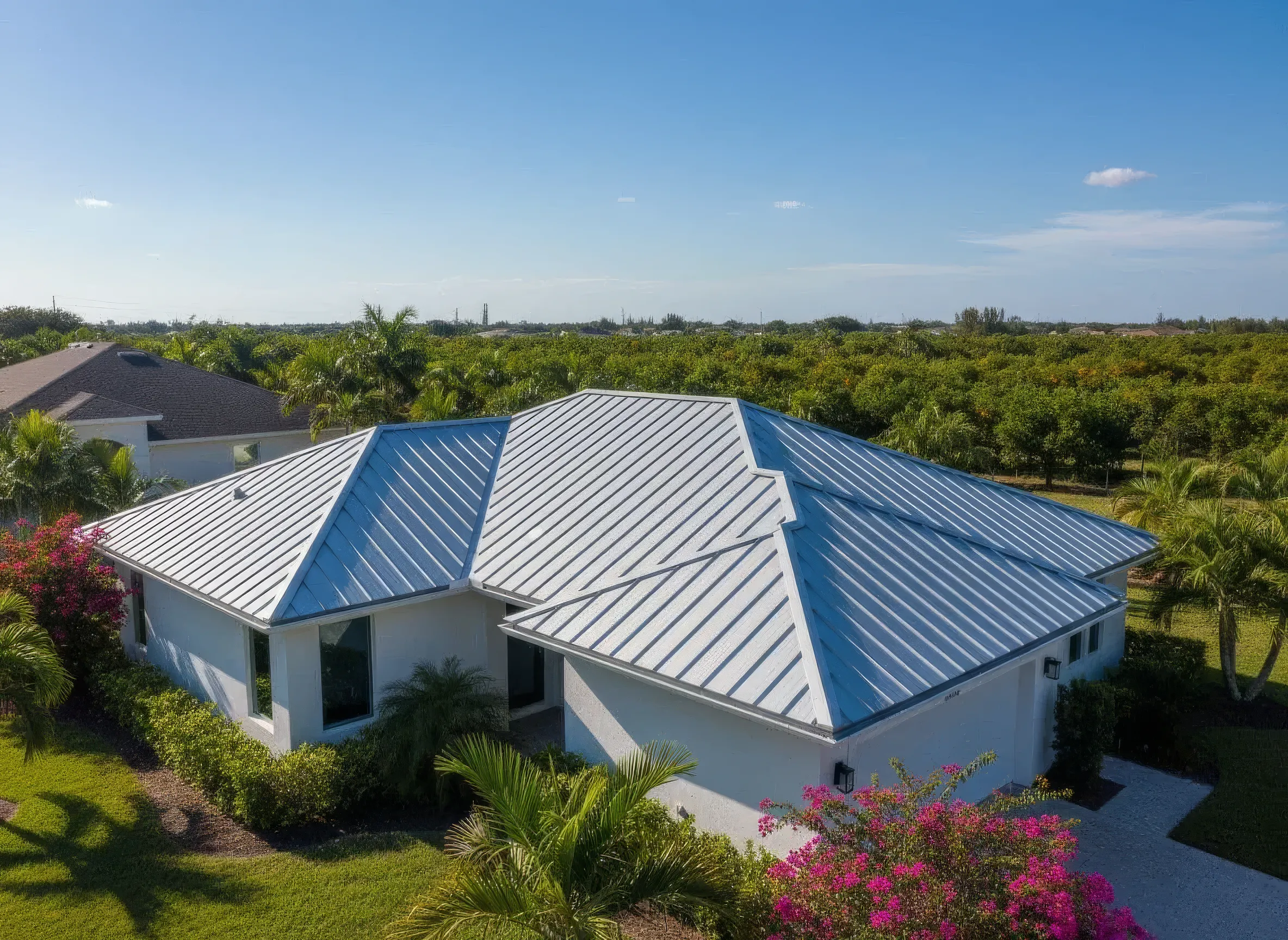
Schedule quick walks after freeze cycles. Keep a box with fasteners and a tube of sealant for fast patches. Note who to call after hours and how to isolate leaks safely. Over the long run, consistent logs make resale faster and insurance work smoother. Steady care compounds into comfort and equity.
In summary, clear planning, smart materials, disciplined sequencing, and proof-based checks form a risk-aware playbook. Use it to judge any bid and to manage work without chaos. If you prefer a single point of contact, choose a roofing company that can coordinate inspectors and neighbors smoothly. When the time comes to hire, compare at least one roofer who documents every layer and one team with deep experience in roofing so you see how process shapes results.