
This is an old revision of the document!
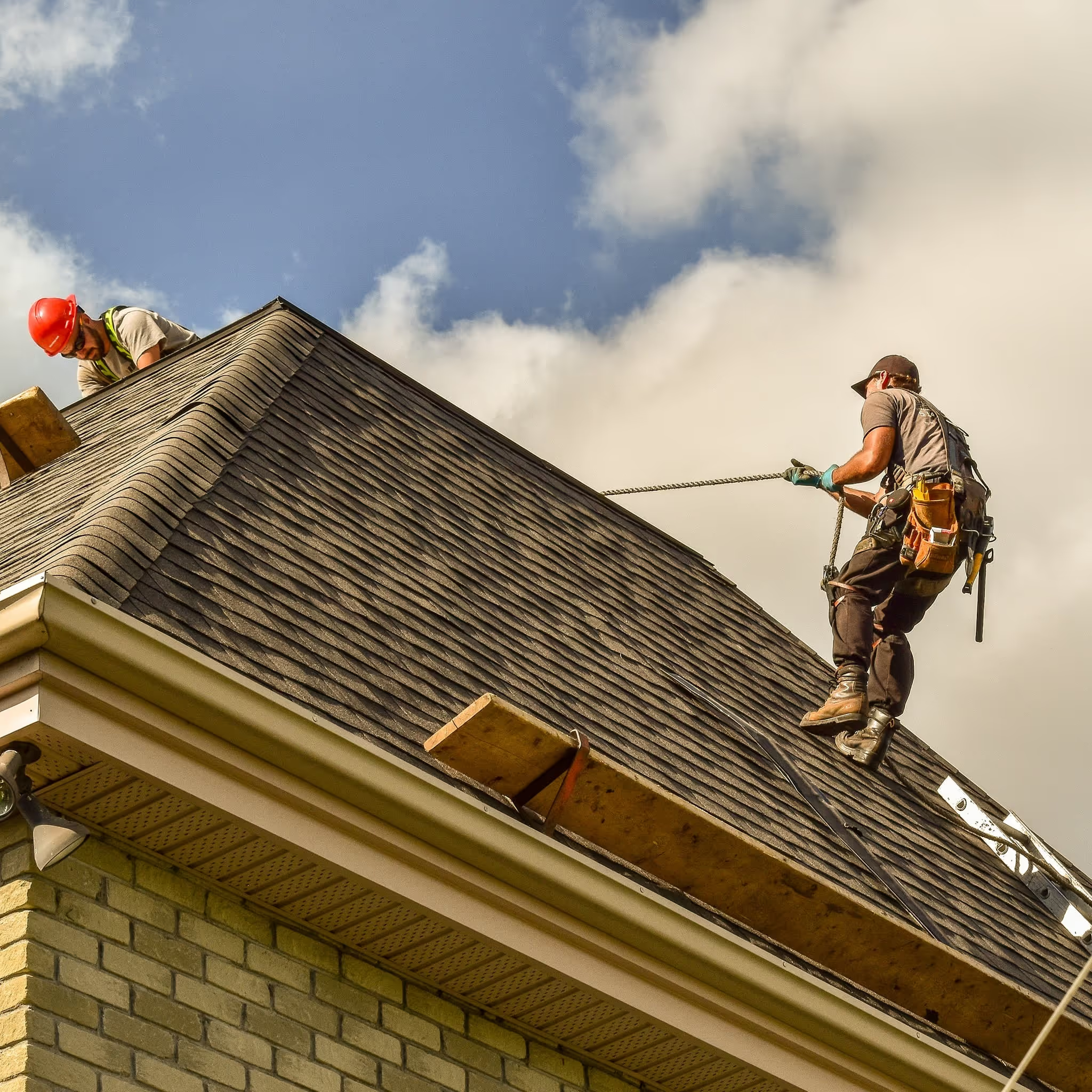
(Image: https://cdn.prod.website-files.com/67ab56c54a1c6ae55e0971c6/67da085f5621f7e3a7770111_IMG-6125-min.avif) A sturdy roof shouldn’t come down to luck, hope. Start with a documented scope and tight controls to manage unknowns before they grow. Our approach emphasizes decisive quality gates that protect your home during storms, heat, and wind-driven rain. You’ll see how to choose materials, set schedules, and verify workmanship so issues don’t slip by in the rush. Practical snapshots show what happens when teams coordinate inspections and track details day by day. The angle here is safety-centered, built to reduce callbacks and extend service life. Along the way, we explain how to hold crews accountable without stalling progress. You’ll get plain-language tips to spot weak points before they leak. This applies to single-family homes and light commercial projects using roofing across diverse climates. Use these habits to prevent rework and surprises without adding red tape.
Map scope early and set clear timeframes for success
Clarity up front reduces scope creep and keeps decisions tethered to facts. We align drawings, site photos, and a constraints list roofing so everyone sees the same boundaries. Picture this where a 1920s bungalow needs sheathing upgrades; we mark suspect boards, note chimney flashing issues, and tag porch tie-ins before demo. This map steers crews to stage materials near critical edges and plan wind breaks. Done right, staging reduces walk time, protects finishes, and reveals conflicts with gutters or skylights.
Set approval points for key risks like deck repairs and penetrations. Ask for visual proof of substrate conditions before underlayment. Either approach works if you capture fast measurements and assign who signs off. We also define a rain plan with tarp zones and labor holdbacks. Small steps upfront pay off later when clouds roll in.
Choose inputs with verified ratings and climate-matched performance
Not all shingles, underlayments, or fasteners behave the same under heat and wind. We compare uplift ratings, nail-pull tests, and UV stability roofing to avoid false economies. In a coastal duplex, stainless ring-shank nails plus modified bitumen at low-slope transitions stopped salt creep and blistering. By contrast, inland high-heat installs did better with cool-color granules and thicker vents to limit attic bake. Smart pairing reduces failures without overspending.
Work with a roofer who can explain why a cap sheet, ridge vent, or ice barrier fits your zone. Review lab summaries that align with your roof pitch and exposure. When specs seem vague, refuse the swap and hold the line. Price-only picks often backfire under real weather. Quality pays for itself when storms arrive.
Orchestrate crew flow and weather windows for steady progress
Sequencing trims downtime and keeps teams off each other’s ladders. We lock a tear-off-to-dry-in rhythm roofing that matches forecast gaps and crew sizes. On a four-bedroom Colonial, we split planes by sun path, run ridge ventilation last, and roll flashing checks before dusk. This cadence prevents open seams overnight and minimizes material handling. Daily huddles keep small problems from growing legs.
Search scheduling support through a roofing contractor near me when storms stack up and crews book fast. Nearby pros read microclimates better and time tear-offs between pop-up showers. When wind spikes, pivot to prep tasks like cutting ridge slots or staging valley metal. Good timing protects decking, ceilings, and your peace of mind. Speed without control is a gamble on the roof.
(Image: https://www.qrhicorp.com/Content/files/Roofing/roof-install.jpg) Verify craft at each gate and cut exposure early
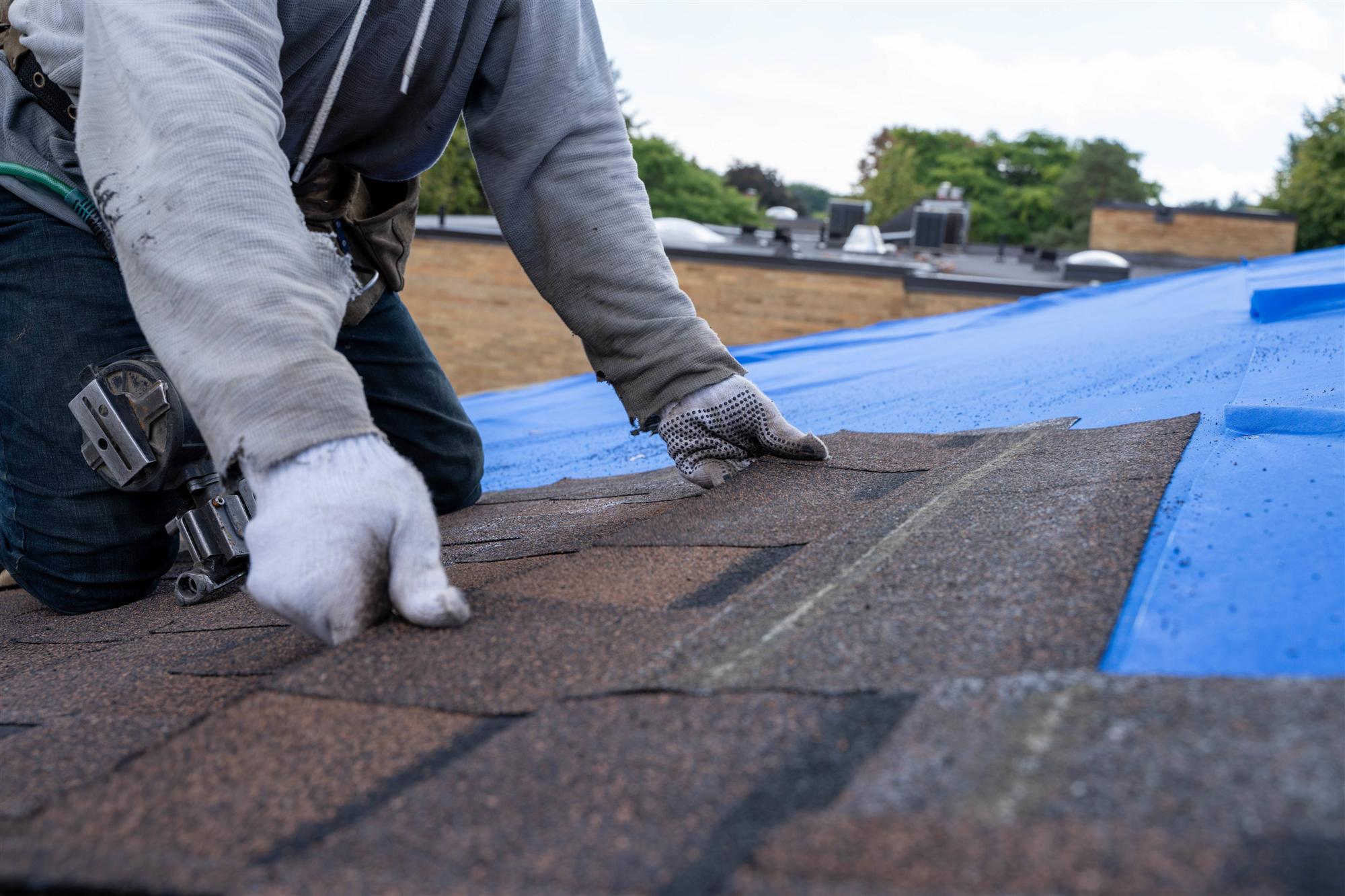
Inspection is a habit, not a finale. We write a punch-list per slope roofing and close items before moving ladders. In a retail strip center, misaligned starter courses caused shingle creep; early checks caught it after three bundles, not thirty. On a townhome, a missed pipe boot clamp wept under wind load; a tug test at noon saved the drywall. Catching problems midstream keeps budgets and schedules intact.
Use chalk lines to enforce straight runs and proper reveals. Open a test patch to verify nail placement and seal adhesion. Any of these helps because it reveals problems you can’t see from the ground. Photo logs with timestamps make accountability easy. Trust, then verify when weather tests the seams.
Balance cost with lifespan and realistic trade-offs
Spending should track years of service, not wishful thinking. We stack options in a simple matrix roofing showing install cost, maintenance, and tested durability. For a ranch home, thicker ridge caps cost more up front but cut future blow-offs; on a café patio, added ice shield stopped winter leaks at the heater vent. Fit the choice to the site, not the ad you saw last week.
When planning roof replacement, weigh warranties tied to full-system components. Unapproved swaps can kill coverage, even if the parts look alike. Ask for the warranty path before you order. A few dollars saved on flashing now can cost thousands later. Long life with fewer repairs often win the math.
Conclusion
Quality starts with planning, gains strength with proven materials, and holds steady through disciplined scheduling. Layered inspections catch small errors before they become leaks. Smart budgeting then locks in the value you built. With these habits, you reduce risk, control costs, and give your roof a longer, calmer life.