(Image: https://www.wilsonandsonsroofing.com/wp-content/uploads/2024/06/Commercial-Roofing-Sidebar.jpg) Homeowners want projects that start on time, finish clean, and survive rough weather. That’s why smart planning, tight communication, and honest cost control matter as much as nails and shingles. In this guide, we map a practical playbook for smoother progress, especially when storms, supply delays, or inspection changes threaten your schedule. You’ll see how early scoping prevents change orders, how materials lists prevent downtime, and how daily check-ins protect the finish. We highlight simple steps any homeowner can follow, from a thorough scope to punch-list closeout. We’ll also flag silent risks that sink timelines. Along the way, we touch on roofing, show realistic examples, and keep the advice practical. Turn this into a call sheet for clarity. Done right, your project ends cleaner, looks crisper, and lasts longer.

(Image: https://cdn.prod.website-files.com/664688ff506cf2d6539434ef/66958af074e8a023511bf0a3_IMG_2853-min.webp) Map precise scope and milestones for complex projects

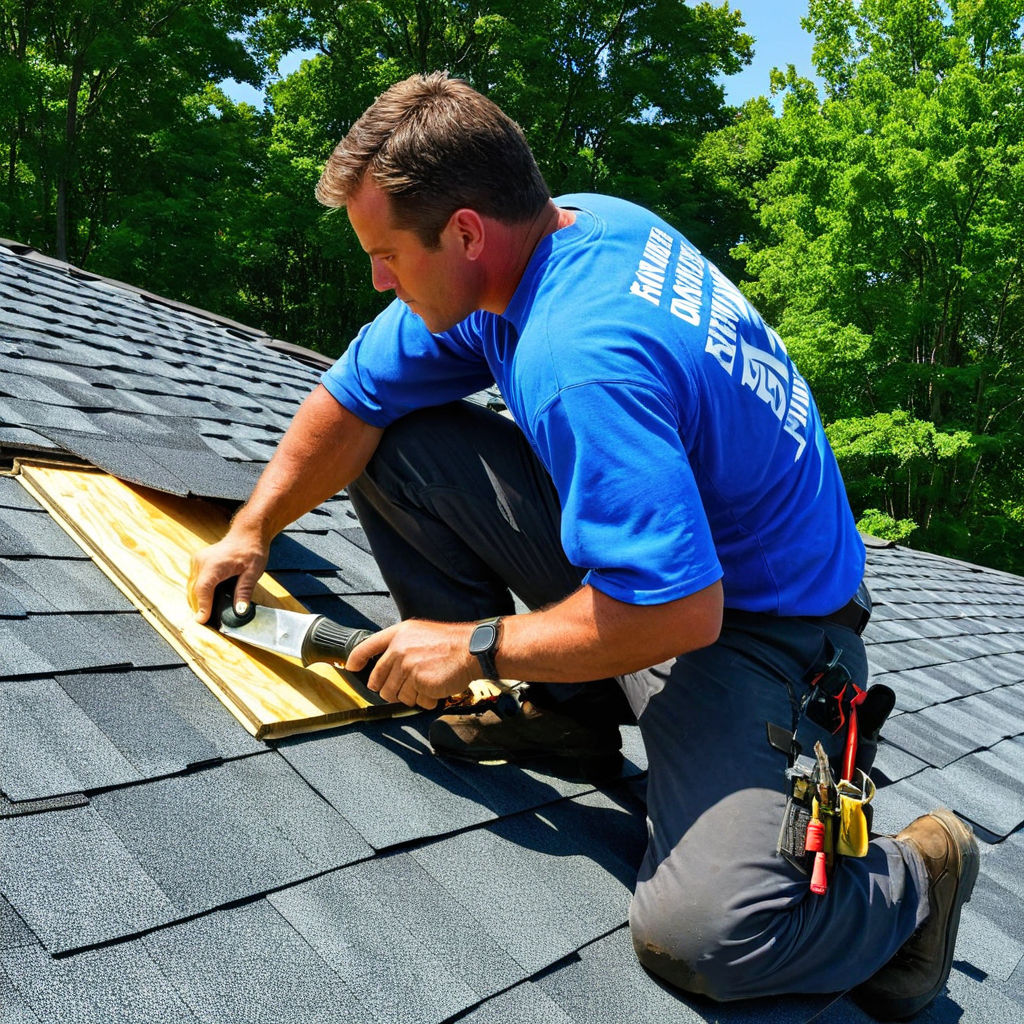
Start with a detailed scope that names roof planes, flashings, vents, and deck repairs; set milestones tied to weather windows. Your written scope should include haul-off, staging zones, and photo verification during tear-off roofing so crews avoid rework and neighbors stay happy. Pick a single change approver, which keeps decisions fast when hidden rot or mismatched vents surface. Mark required inspections, like mid-tear deck photos and post-flash leak tests. Real dates beat verbal assurances for tracking and accountability.
Set realistic durations with a buffer for rain, delivery slips, and crew health. Say, a 24-square re-shingle may need two full days after tear-off if decking repairs run long. Exclude holidays from counts so no one misreads the finish date. Define wind and heat cutoffs so work pauses before materials fail to bond. Upfront clarity saves days.
Choose durable materials and verified inputs for local weather
Build a materials list that calls out shingle class, underlayment grade, ice barrier length, and compatible fasteners. The list should also include starter strips, ridge caps, and manufacturer-required vents roofing to protect the warranty from day one. Name exact brands or equal to stop substitutions that weaken the system. Call out gauge, sealant type, and pipe boot sizes, not just “metal” or “caulk.” Specifics beat assumptions when a fitting doesn’t match.
Match the assembly to climate, not just looks. In hail zones, class 4 impact shingles can cut insurance grief, while hot regions need high-temp underlayment at valleys. When heat traps, upgrade ventilation math so intake and exhaust balance by code. Record batch labels to keep appearance uniform across slopes. Save the spec sheet for future claims.
Orchestrate tight workflow and crew scheduling without lost motion
Lay out a day-by-day flow: delivery, protection, tear-off, deck fix, dry-in, and shingle set, finishing with cleanup. The crew lead should confirm start times, porta-john placement, and driveway clearance roofing so trucks move in and out without delays. Post the plan on a board to align the crew with homeowner quiet hours. Group loud work early so kids’ nap times and calls run smoother. Small courtesies make big differences on long days.
Use short stand-ups at 7:30 AM and 2:30 PM. Morning sets targets; afternoon checks punch items and tomorrow’s constraints. When a bin is missing, swap tasks to ridge work or valley flashing prep. Log progress at each stage to prove deck condition and fastener patterns. Short loops keep pace.
Guard quality and manage exposure with measurable field checks
Quality isn’t a slogan; it’s a checklist. Require shingle offset, nail placement in the strip, and valley layout to match published specs roofing to avoid leaks a season later. Measure exposure with a gauge every course so lines stay true. Hose-test tricky flashings before packing ladders. Verify corrections on camera for a clean trail.
Risk hides in edges and penetrations. Think chimneys, sidewalls, dead valleys, and anywhere two materials meet under heat or ice. On storm claims, log damages before demo, then match repairs to codes and scope. Use a roofer to review flashing choices when the wall cladding is brittle or painted shut. One extra hour now averts months of callbacks.
Balance budget and options without undervaluing the system
Start with a baseline build, then add value where it matters most. For example, step up to synthetic underlayment at low slopes, and extend ice barrier past the warm wall roofing to beat freeze-thaw creep. Cut low-impact splurges if the decking needs more love. Measure ridge line, not just “ridge,” to stop short installs. Budgets must mirror parts.
Compare lifetime costs, not just day-one prices. A stronger shingle with better granules may outlast cheap bundles by a decade. If you’re weighing a roof replacement after repeated patch jobs, add labor risk from repeat setups into the math. Request side-by-side options so you can choose with clarity. Spending smart beats spending twice.
Maintain health and manage lifecycle from season to season
Plan simple upkeep: fall debris clears, spring fastener checks, and after-storm look-overs. Keep a lightweight log of work, invoices, and part numbers roofing so small issues don’t vanish between seasons. A brief sweep after wind can spot lifted tabs before water finds felt. Note tree rubs and fix the cause, not just the mark. Small fixes block major costs.
Line up trusted help for busy weeks. When a stain grows, call a roofing contractor near me and tag your photos to speed diagnosis. Keep sealants renewed at pipes and satellite mounts per manufacturer timelines. Swap dry boots quickly to dodge ceiling damage. Preventive care pays back.
Conclusion Your project runs smoother when scope is sharp, inputs are specified, schedules are visible, and field checks prove the work. Add budget clarity and steady maintenance, and the roof serves through storms and seasons. This approach lowers stress, reduces rework, and builds trust across the team. Start disciplined, finish proud.
(Image: https://tpmanage.com/wp-content/uploads/2024/03/a-man-doing-roofing-work.jpeg)