
This is an old revision of the document!
Good work starts with clear goals, and that’s especially true when your roof system faces sun wear. We’ll walk through a quality-led roadmap that sets priorities, balances trade-offs, and keeps timelines honest. Along the way, we’ll show how a well-reviewed roofer weighs material choices, sequences crews, and checks critical details so small issues don’t become big bills. Think of this as a homeowner’s field guide, aimed at avoiding rework while boosting long-term durability. Expect plain-language examples that fit real houses and light commercial spaces. In the end, you’ll know what to ask, when to push for documentation, and how to lock in value without overspending. Put quality first now, and you’ll spend less time worrying through the next hard rain and more time enjoying the results.
Map goals and milestones for risk-smart project scoping
Start with a shared description of the scope: square footage, slopes, penetrations, and tricky transitions. You can review prelim notes roofing for missing items before you approve anything. Request photos of the attic, note decking thickness, and flag any vents that need extra flashing. Set what “done” means, including final cleanup, haul-off, and a rain test if skies permit. This upfront clarity reduces add-ons later.
Build a simple schedule with slack for weather delays and material arrivals. Lock in who calls for city inspections, and who covers permits. Share a driveway plan for dumpster placement and daily staging so your car isn’t blocked. Align neighbor notifications for noise windows to avoid complaints. Paper beats memory when crews and deliveries start showing up.
Compare inputs that balance weather loads and local conditions
List the systems your climate supports: laminated shingles, metal panels, or modified on flat areas. For quick cross-checks, you can consult spec sheets roofing while you look at wind ratings. In hail-prone zones, Class 4 shingles may be worth the upcharge. Close to coasts, coated fasteners and sealed cuts count. Balanced systems outperform piecemeal bargains.
On a small shop with low-slope tie-ins, choose a continuous underlayment at eaves and valleys, and keep metal transitions straight. Request ridge ventilation sized to attic square footage; stale air shortens shingle life. If you’re comparing a local crew to a national roofing company, request exact product names and fastener schedules so bids line up. Ask vendors to bring sample panels you can bend, cut, and handle. Tactile reviews beat sales sheets.
Sequence crews and drop-offs for clean, predictable workflow
Daily cadence matter: tear-off in the early hours, dry-in by noon, and trim by shutdown. For coordination, you can note crew steps Roofing to keep traffic smooth. Stage shingles and flashing near the ridge to reduce scuffing. Keep a rolling magnet sweep on breaks so nails don’t reach the driveway. A tidy site is a safer site.
On a split-level home, set separate ladders for vent work and gutters to avoid congestion. Time inspections right after dry-in so weather doesn’t catch you unfinished. If the plan includes roof replacement over living areas, confirm dust control and daily interior checks before cover-up. Photograph decking repairs as they happen and text updates before noon. Short feedback loops beat long apologies.
Control fit and risk with simple, repeatable checks
Strong results come from repeatable steps: square starter courses, straight chalk lines, and tight fastening within the zone. During work hours, you can scan the ground roofing and note issues before they compound. Confirm flashing laps face away from prevailing winds, and kickout diverters move water past siding. Flag soft sheathing and approve fixes before shingles hide them. Early eyes save late money.
On light commercial awnings, check that sealant type matches movement needs and isn’t your only water stop. Require photos of ice-and-water at valleys, plus ridge vent cut dimensions with a tape in the frame. If you’re signing with a roofing contractor near me, write down who tests ceilings for leaks after the first rain. Keep a short list of must-shoot photos crews share at lunch. Consistency turns experience into quality.
(Image: https://cdn.prod.website-files.com/67166bf86959dd3e06e7d3ad/67f6390628171b90880e25eb_metal-roofing-guide-materials-benefits-costs.avif) Balance spend and trade-offs without losing long-term protection

Break pricing into crew time, materials, disposal, and overhead support so choices stay honest. You can weigh alternates roofing against maintenance costs, not just the bid today. Upgrading to thicker underlayment can outlast two cheap rolls. Replacing rust-prone vents beats repainting them every other year. Cost per dry year beats cost per square.
For a bungalow, a mid-tier shingle plus premium flashing often beats the top shingle with basic metal. If your plan includes skylights, budget for new curb kits rather than patches. Clarify who pays for decking surprises and set a threshold before work starts to avoid disputes. If a proposal mentions roof replacement, confirm whether gutters, leaf guards, and attic baffles are in or out. Transparency is cheaper than conflict.
(Image: https://fiveguysroofing.com/wp-content/uploads/professional-roofing-services-scaled.jpg) Coordinate household and daily routines for smoother handoffs
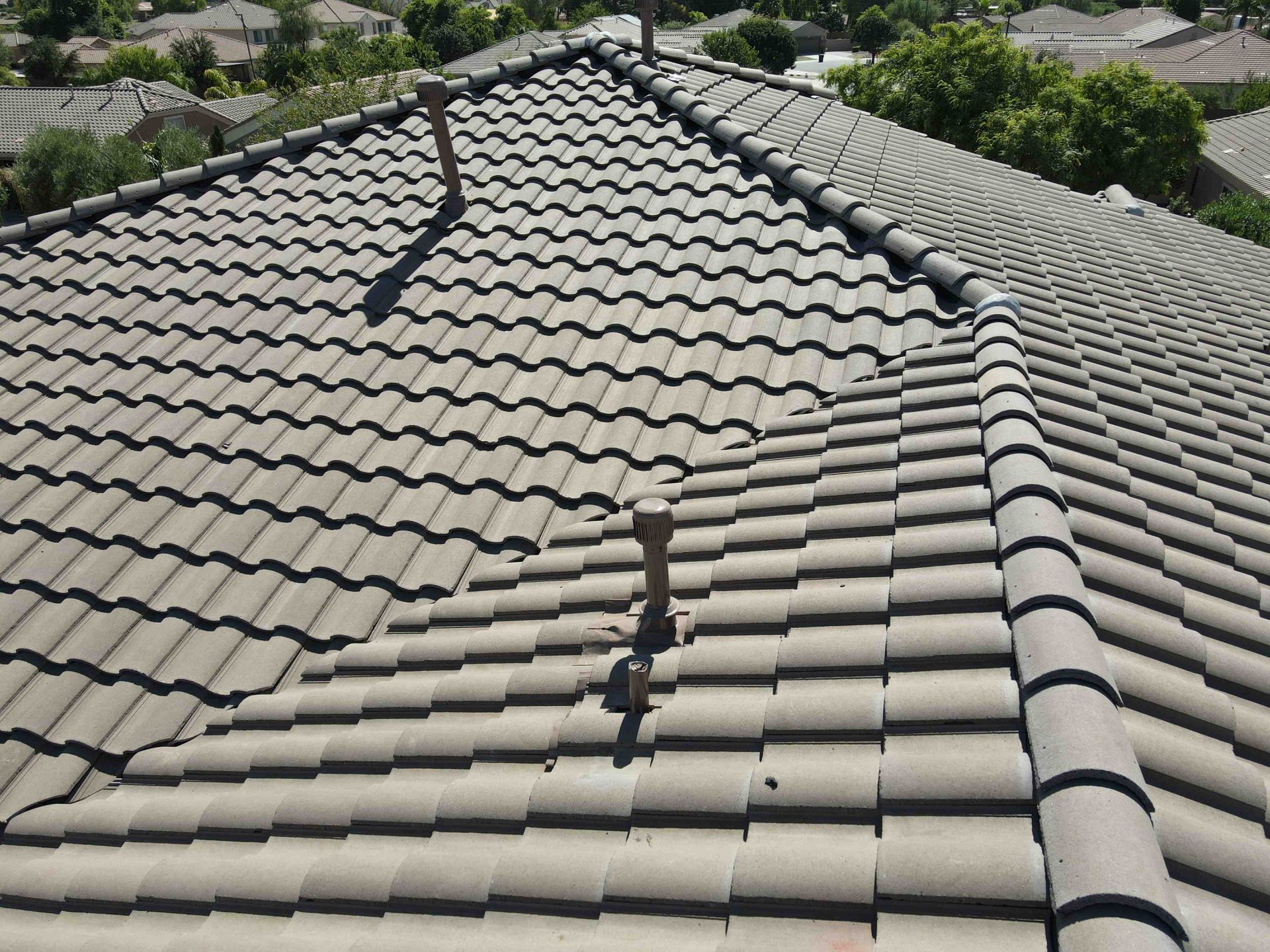
Homes run on routines, so fit the work around school runs, pets, and deliveries. You can propose quiet hours roofing that keep remote workers sane during the week. Tape a safe path to the front door and give kids a simple rule about staying off the side yard. Tell neighbors about start dates, dumpsters, and where trucks will stage. Heads-ups defuse complaints.
On a duplex, share a text thread with both units and the foreman so updates don’t get lost. Confirm who brings power for compressors and where cords route. If a national roofing company is on the job, ask for the on-site lead’s cell and backup number. Post a daily note listing tasks done and tasks next. Everyone works better with the same picture of progress.
Conclusion Across planning, material choices, daily sequencing, risk checks, and household coordination, the path to strong results stays consistent. Document, verify, and communicate in tight cycles. Whether it’s a one-story ranch or a corner cafe, the same habits prevent leaks and stretch service life. Choose steady process over shortcuts, and your investment will pay off long after the crews leave.