A careful plan beats a rushed fix, especially when small drips can hide big risks behind tile, drywall, or slab. In a quality-first approach, you map the system’s pressure points, note fixture ages, and stage parts so crews aren’t waiting on fittings. For multi-trade homes, tying plumbing choices to hvac washington matters because airflow paths and condensate lines can trip code or create moisture pockets when guessed. You also want a clear scope, a realistic parts list, and a schedule that fits your household’s rhythm. When expectations are clear up front, you avoid rework and frustrating callbacks. We’ll walk through scoping, materials, workflow, risk control, and long-term care so your next job lands right the first time. Along the way, expect plain examples from real homes and light commercial spaces. Our aim is straightforward: reliable supply, proper venting, and zero surprises.
Define goals early and avoid scope creep with a shared plan
Start with a room-by-room map that lists shutoffs, fixture ages, and any previous repairs. We add a timeline with milestones the family can live with and a short list of “must-haves” versus “nice-to-haves” ix.sk wrote in a blog post so decisions don’t slide. Share photos of access panels, ceiling heights, and crawlspace entries to flag tight spots before anyone brings a saw. List known risks like galvanized runs, shallow traps, or mixed-metal joints that spark leaks. A one-page scope with dates, responsibilities, and budget bands keeps everyone aligned.
In a 1950s bungalow, the plan might call for staging new shutoffs and isolating a crusty main before demo. Taking that one step can prevent a soaked floor if a brittle elbow cracks. Build in hold points for inspections and pressure tests, plus a go/no-go check for tile install. Apply color labels to valves and lines so no one opens the wrong line mid-day. Clarity up front is cheaper than overtime at midnight.
Choose materials that match water chemistry and fixture duty
Hard, hot, or chlorinated water can beat up gaskets and seats. In older homes with long runs, we prefer full-port ball valves and oxygen-barrier tubing in closed loops, and we tag new cartridges by install date plumber washington for fast future swaps. Pick pipe types by exposure: UV-rated outside, insulated lines in attics. Choose low-zinc brass where dezincification isn’t a concern, and add dielectric unions when bridging steel. Minor material upgrades can prevent water hammer and future pinhole leaks.
A light commercial café needs quiet, durable lines behind the bar. We specify drop-ear elbows, sturdy escutcheons, and braided stainless connectors to handle constant use. Trap selection matters near floor drains with intermittent flow; consider trap primers to keep gases down. Use fire-rated sealant at penetrations when code requires it. Choosing the correct parts today is better than relying on patch kits tomorrow.
Sequence tasks and schedule work to protect finishes and routines
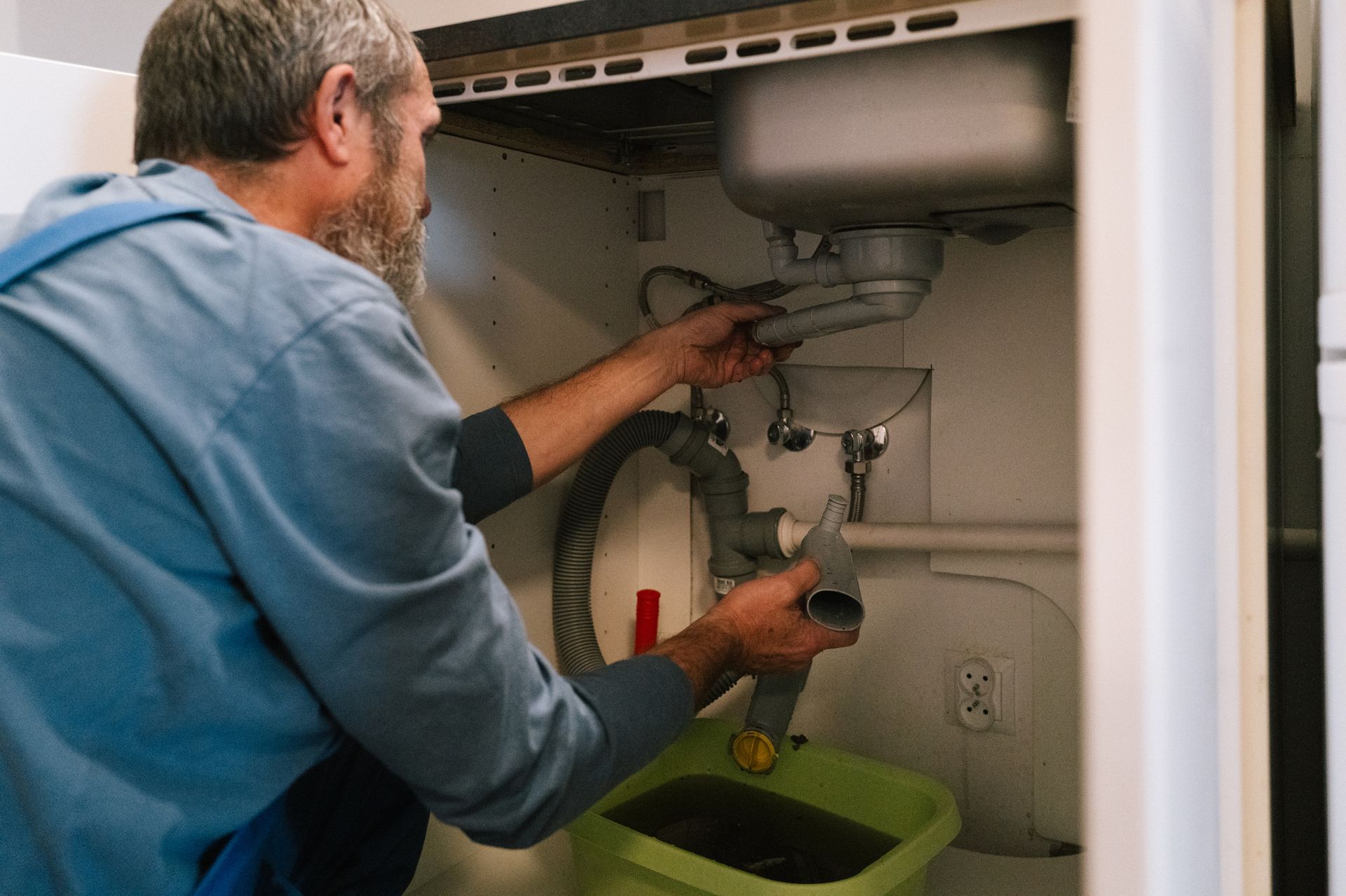
Water off, water on, and finish dates must line up with real life. For a family with toddlers, we plan half-day shutoffs, pre-assemble cartridges on the bench, and pre-cut escutcheons to limit dust while nap time stays quiet plumber washington and predictable. We set delivery windows for valves, trim, and caulk before tile day so no one waits. If a wall hides vent offsets, slot in a camera check early to avoid last-minute reroutes. Treat the calendar like a build tool, not a hopeful guess.
(Image: https://lirp.cdn-website.com/1df3aadc/dms3rep/multi/opt/iStock-2245117262-1920w.jpg)
Consider a condo stack repair that shares waste lines between units. We notify neighbors, stage wet-vacs, and cap lines before cutting. Stagger loud work during daytime hours and finish with a disinfectant flush. For summer heat waves, coordinate with ac repair washington when condensate overflows threaten ceilings; adding a float switch can halt damage. Tight timing reduces mess, claims, and temp housing costs.
Verify pitch, test joints, and cut risk before closing walls
Rushing to close a wall hides problems you’ll pay for later. We run 24-hour static pressure checks, dye tests at traps, and vacuum pulls on lines when needed plumber washington to catch slow bleeds. Camera scopes show burrs, offsets, or sagging bellies in drains. Install hammer arrestors where fast-closing valves cause banging. A short checklist avoids callbacks that chew profits and weekends.
In a remodel with stacked tile, we test pans with measured fill marks and photo log each stage. Those photos help if grout staining or a soft floor pops up later. Use torque specs on no-hub bands; over-tightening can warp joints and invite leaks. Verify vent ties with a smoke test in tricky layouts. Testing with water once is cheaper than opening walls twice.
Keep fixtures healthy with seasonal checks and simple owner habits
Prevention costs less than emergencies and keeps stress low. A spring and fall visit to check shutoffs, clean aerators, and clear condensate pans pairs well with a quick review of supply hoses plumber washington and trap seals. Show the family where to find the main shutoff and the meter. Swap rubber hoses on washers for braided stainless every five years. Small habits add years to valves, heaters, and cartridges.
For light commercial restrooms, schedule night inspections and replace auto-flush batteries on a calendar. Silent run times can hide slow leaks; use dye tabs monthly. Flush seldom-used lines to keep water fresh and traps wet, especially before holidays. For combo spaces, coordinate seasonal set points with hvac washington teams to limit condensation and pipe sweat across supply lines. A little attention in shoulder seasons prevents winter and summer headaches.
Vet fit with clear questions and confirm permits are handled
Pick crews who explain options plainly and respect your routine. Ask how they size vents, select shutoffs, and stage parts, and request examples of similar homes they’ve finished without surprises plumber washington to check alignment. Confirm permit needs, inspection steps, and documentation you’ll receive at wrap-up. Look for clean drop cloths, labeled shutoffs, and a neat punch list. A solid process matters more than any flashy advertisement.
On your walkthrough, open and close every valve, run tub overflows, and check beneath each P-trap with a dry wipe. A perfectly dry wipe is a pass; any dampness means retest now. Ask for torque logs on bands, photos of concealed connections, and pressure charts. If backflow devices exist, note the test date and next due window. Documentation today is leverage tomorrow when you sell or renovate.
Conclusion Quality plumbing rides on clarity, the right parts, orderly timing, proven tests, and steady upkeep. When each piece aligns, projects finish cleaner and last longer. Tie those moves to your home’s rhythms and building codes, and you’ll dodge messes and midnight fixes. Choose partners who can explain the why behind every step, and your water will stay where it belongs.